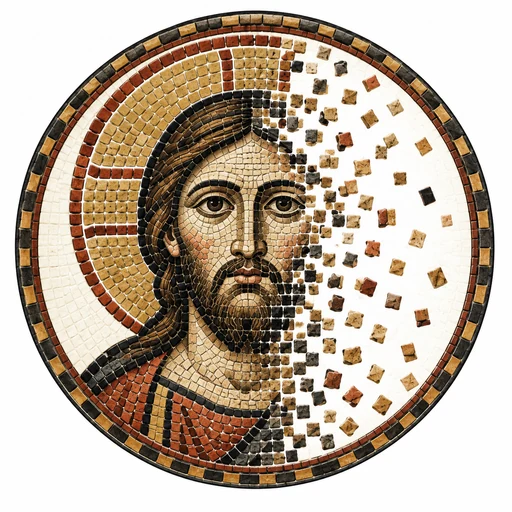
Before the Gospel biography
Earlier traditions and titles
Jewish messianic language, scripture, and Mediterranean story patterns supplied material for later Christian narratives.
Read the source trailA source-led case against Jesus’ historicity
The first documentary references to Jesus and letters attributed to Paul appear in later accounts of Marcion’s circle. There is no evidence that the Pauline collection predates Marcion; proposed first-century dates for these texts are reconstructions. No contemporary account records Jesus’ life or execution.
Start with the sourcesFollow the texts, their dates, and how they were transmitted.
See the whole caseSearch across titles, questions, arguments, and source notes.
 Text · transmission · inference
The first documentary references to Jesus and letters attributed to Paul appear in later Christian accounts describing Marcion’s circle, conventionally placed around 144 CE. There is no evidence that the Pauline collection predates Marcion. No contemporary account records Jesus’ life, teaching, or execution.
Each topic examines the wording, dates, and transmission of the texts cited as evidence for a historical Jesus.
Follow the documentary record from Marcion, then examine the Gospel narratives, manuscript copies, and other evidence cited for Jesus.
Before the Gospel biography
Jewish messianic language, scripture, and Mediterranean story patterns supplied material for later Christian narratives.
Read the source trailMarcion-era record · c. 144 CE reconstructed
Later Christian accounts describe a Gospel and a collection of letters attributed to Paul in Marcion’s circle. There is no evidence that the Pauline collection predates Marcion.
Read the source trailSecond century
The canonical Gospel narratives and their familiar author names enter the documentary record in second-century sources. Earlier dates assigned to them are reconstructions.
Read the source trailPhysical copies
Handwriting estimates date objects. They do not, by themselves, date a work's composition.
Read the source trailLook closer
Open a visual guide to manuscripts, Roman context, and the physical claims made for the Shroud.
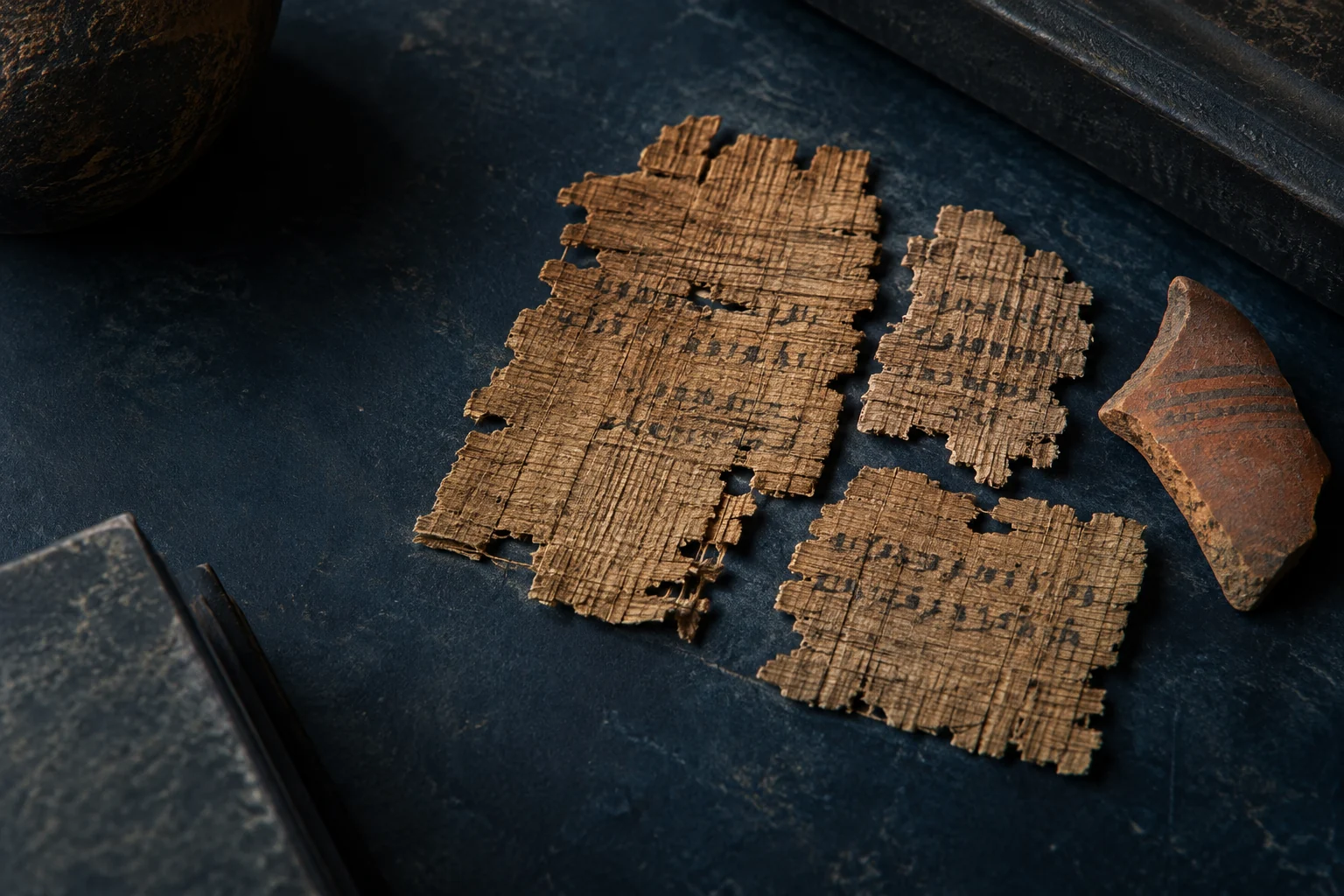
Texts and manuscripts
Follow the manuscript evidence and separate a copy’s date from a text’s proposed composition date.
Read the topic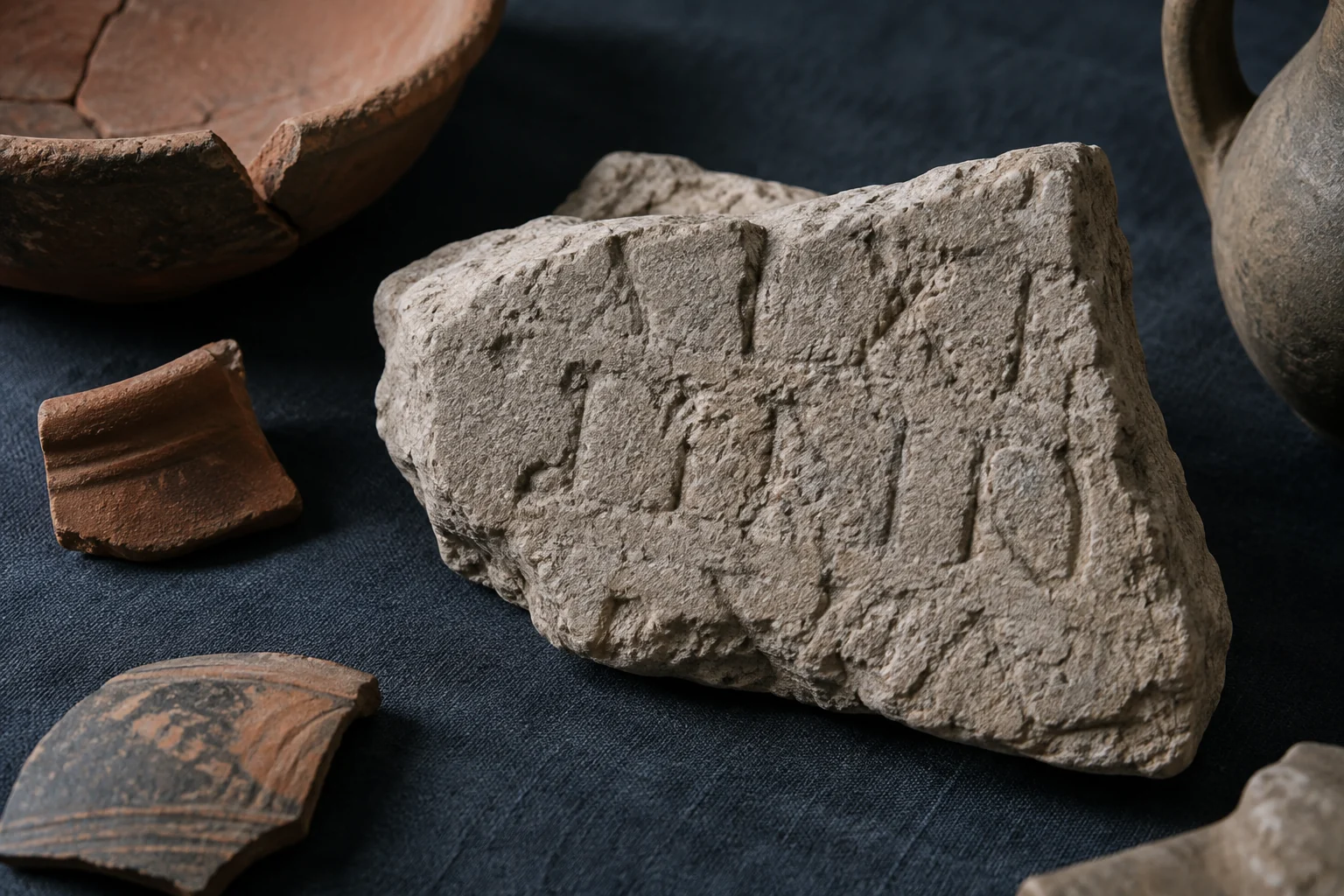
Roman context
Examine the Josephus and Tacitus passages alongside the surrounding text and their transmission.
Read the topic
Material evidence
Dating, cloth contact, body proportions, and image formation all matter to the claim.
Read the topicThese are original illustrations, not the manuscripts or artifacts discussed in the linked articles.
29 topic articles with searchable source notes, category filters, and links between related subjects.
29 topics
No contemporary account of Jesus appears in the documentary record. The first documentary references to Jesus and letters attributed to Paul appear in second-century accounts of Marcion around 144 CE; first-century dates assigned to these texts are reconstructions.
01Letters attributed to Paul enter the documentary record through later reports about Marcion around 144 CE. Their first-century dates are reconstructions; the texts themselves make the claims about James and the appearances.
02The four Gospel narratives are anonymous, and first-century dates for them are reconstructions. Later Christian reports first describe Marcion's Gospel around 144 CE.
03Read the Testimonium in Antiquities 18 beside the James notice, Ananus’ removal, and the appointment of Jesus son of Damneus in Antiquities 20.
04Annals 15.44 links the name Christus to a group called Christianos or Chrestianos. The wording, manuscript, and source matter to what the passage can establish.
05Assess how historians use ancient texts, dates, manuscripts, and scholarly consensus—and keep each kind of claim tied to the evidence that supports it.
06Jewish scripture, varied messianic expectations, and Mediterranean stories about divine action supplied language and literary patterns later used in the Gospel narratives.
07A Caesarea inscription names Pilate as prefect. Josephus and Philo describe his administration, but neither records Jesus’ trial; later Pilate-cycle texts are Christian literature, not Roman archives.
08Trace the lost-source claims separately: Africanus links Thallus to the darkness, while Origen and Eusebius report different material attributed to Phlegon.
09Papias’s five-book Exposition is lost. Irenaeus names it; Eusebius preserves fragments, including nested claims about Mark and Matthew.
10Letters 10.96–97 present a governor asking Trajan how to handle people called Christians. The exchange reports a ritual centered on Christ but contains no account of Jesus’ life.
11Claudius 25.4 names a Chrestus in an expulsion notice; Nero 16.2 reports punishment of Christians. Suetonius never identifies Chrestus as Jesus or joins the two notices.
12Read the martyrdom argument against the actual texts: later Acts, 1 Clement, Polycarp's letters, and the Smyrna martyrdom account make distinct claims through different transmission histories.
13The Marcionite Gospel and letters are reconstructed from later opponents, especially Tertullian, whose detailed textual argument is part of the evidence and its limitation.
14The Gospels reuse Jewish scripture and place stories in a first-century setting. Compare each passage with its source and the external record to see how the narratives were constructed.
15The letters assert an earthly biography for Jesus, but their date, authorship, and earliest external links must be argued from later and disputed evidence.
16A manual for ethics, baptism, communal meals, traveling teachers, and local leaders. Its heading invokes the apostles but names no author and gives no date.
17Read Justin’s claims about Jesus, scripture, records, and Christian practice alongside the challenge attributed to Trypho in the Dialogue.
18The letter never names Jesus. Its unnamed king has no date, source, or identifying detail; the supposed execution comes from an English translator’s added verb.
19Lucian's second-century satire identifies Christianity's revered figure as a man executed in Palestine. The passage records what Christians believed; it supplies no independent account of that figure's life.
20The text speaks for the Roman church, gives no calendar date, and names no individual sender. Later writers connect it with Clement; the common date around 96 CE is inferred, and the earliest copies are centuries later.
21Celsus and Hierocles criticized Christian narratives in different centuries; their lost arguments reach us through replies by Origen and Eusebius.
22Writing in the late second century, Irenaeus names four Gospels, assigns them apostolic origins, and claims childhood contact with Polycarp.
23The manuscript record shows when particular Christian texts were copied, what those copies contain, and how their wording changed. Those facts are distinct from proposed composition dates and the events a text narrates.
24Some rabbinic passages clearly engage the Christian Jesus tradition. Their late, layered transmission makes them evidence for reception and polemic, not contemporary biography.
25Early Christian writings present different portraits of Jesus. Eusebius later preserved selected texts and arguments while constructing a history of Christian origins.
26The Shroud's documentary trail, medieval radiocarbon date, and image anatomy form a specific case within the wider history of objects identified as Christian relics.
27Word-pattern comparisons can expose differences and relationships across texts. Here we examine the analyses of Luke, Acts, Marcion’s Gospel, letters attributed to Paul, Josephus, and Tacitus.
28Matthew Britt and Jaaron Wingo trace a Gospel Jesus through second-century texts, Marcion's collection, and later claims of apostolic authority.
No topics match that search. Try a source, author, or category.
Read the source notes beside each article, or browse them together in the source library.
Open the source libraryMost specialists accept that Jesus existed; mythicism is a minority position. That majority judgment is not an ancient source. The texts cited for Jesus do not establish a human founder.
Read the caseIndependent further reading
Explore the book and an independent online guide to Jesus mythicism.
The book
Matthew Britt and Jaaron Wingo present a book-length case for mythicism and examine evidence for Christianity's origins.
Our guide maps the book's chronology, Paul models, Gospel sequence, and stylometry claims.
Read our guide to the book Visit Christ Before JesusIndependent guide
An independent, topic-by-topic guide to mythicist arguments, sources, and key terms.
Visit Mythicism.web.appMythicism.net is an independent project. It is not affiliated with, endorsed by, or operated by the creators of Christ Before Jesus or Mythicism.web.app.