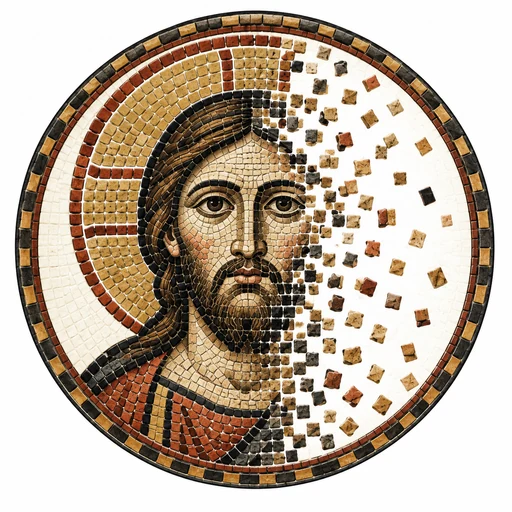
The Shroud first appears in records at Lirey in 1355, and three laboratories dated sampled linen to 1260–1390 CE. Other objects identified with Jesus also require documented provenance and a secure identification before they can be linked to a first-century person.
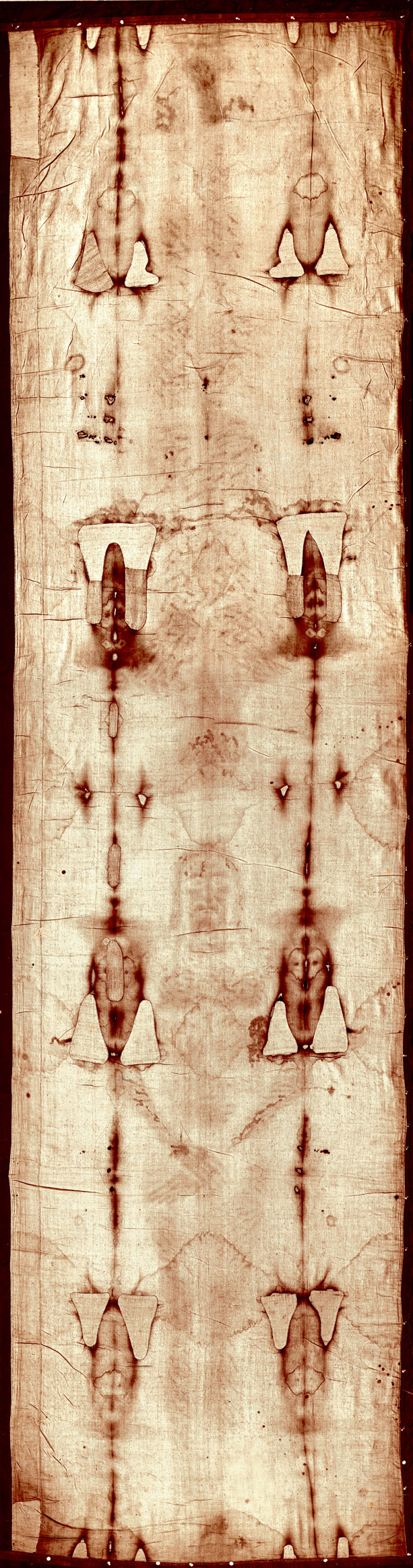
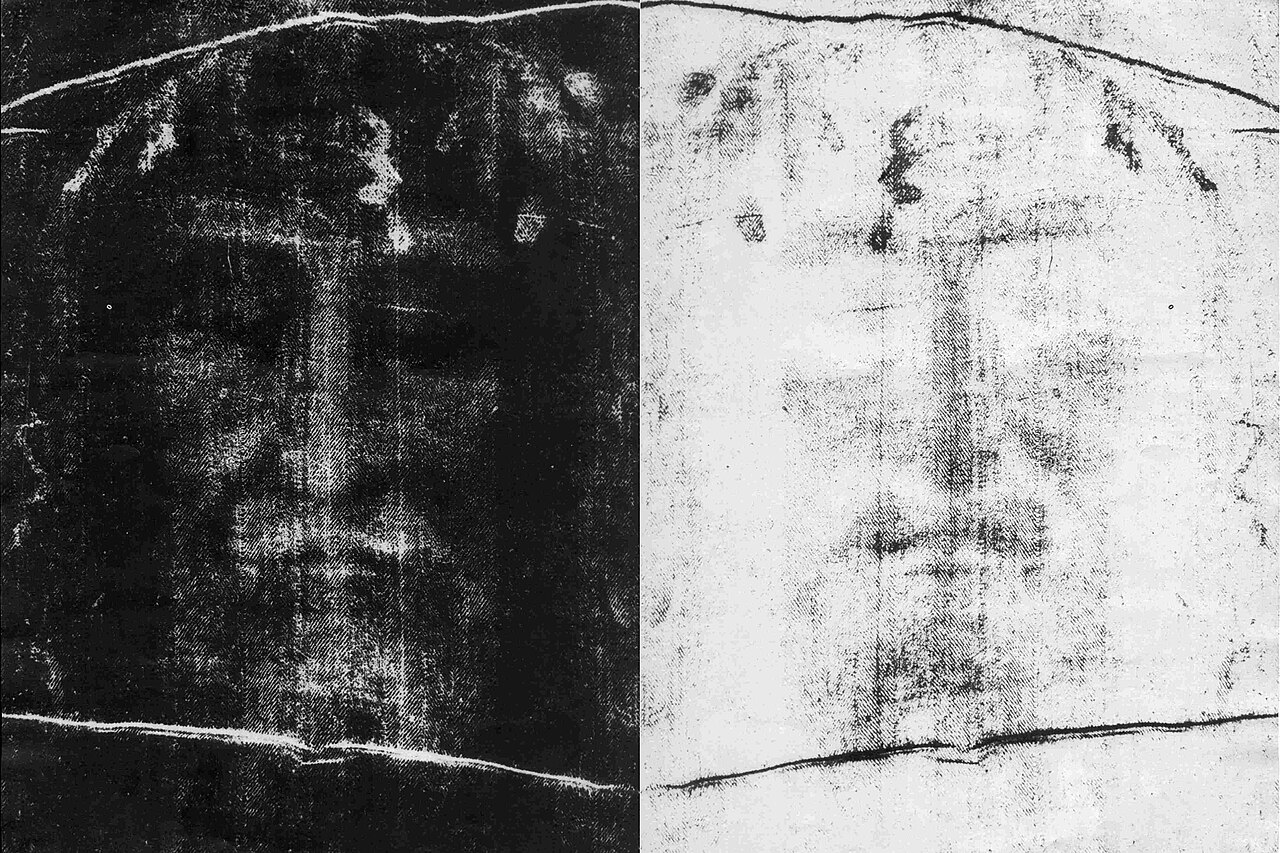
Full-cloth photograph: Giuseppe Enrie, 1931, via Wikimedia Commons (public domain). 1898 image: Secondo Pia; composite by Rudolf Berwanger (2022), resized from Wikimedia Commons, CC BY-SA 4.0.
The first documented appearance is medieval
The Shroud enters the record at Lirey in 1355. In 1389, Bishop Pierre d'Arcis reported that his predecessor's investigation identified the cloth as an artificial image and that an artist had confessed. D'Arcis reports the earlier allegation; his letter does not contain the artist's testimony.
In 1390, Pope Clement VII allowed the Lirey display only if it was presented as a figure or representation of the shroud said to have belonged to Jesus. The documentary record begins with a fourteenth-century image; no record traces the cloth to Judea.
What the radiocarbon tests measured
In 1988, laboratories at Oxford, Arizona, and Zurich tested linen from one edge of the cloth. Their 1989 Nature paper dated the sample to 1260–1390 CE at 95% confidence.
A 2019 reanalysis by Casabianca and colleagues identifies statistical heterogeneity in the published measurements. Ray Rogers argued that the sampled area differed chemically from the main cloth and proposed repair material. Neither study supplies a first-century date.
In 2026, researchers examined two small retained fragments from the Arizona sample. They found the same flax, weave, and yarn characteristics described for the main textile and no visible repair or significant contamination in those fragments. The fragments are two small subsamples, not a survey of the entire cloth. This analysis weakens the repair claim; the 1989 radiocarbon result still dates the tested linen to 1260–1390 CE.
A cloth image distorts a face
Linen laid over a face contacts the forehead, nose, cheeks, and chin, then bridges recessed areas. When spread flat, a direct contact image stretches projecting features across the plane: the nose and cheeks are distorted by the transfer.
The Shroud's face is a flat, front-facing image with little wraparound distortion. It does not match a direct imprint from linen draped over a three-dimensional face. The geometry of the image is incompatible with a body simply wrapped in cloth.
The hands and forearms are elongated
The crossed hands cover the pelvis and genitals. The hands and forearms are elongated, and the arms are asymmetrical. The image draws the right arm across the body to place the hand over the groin; the figure's proportions do not match a direct imprint from a wrapped corpse.
A 1903 Nature analysis compared the image's upper and lower arm lengths with normal bone proportions and found the forearms roughly 50% longer than expected. A 2024 Archaeometry article identifies the hand position covering the genitals as an anatomical anomaly and argues for artistic intervention.
The blood marks and the body image are separate claims
Bloodstain-pattern analysis by Matteo Borrini and Luigi Garlaschelli compared selected marks with arm and body positions. Their experiment found that some chest staining fit an upright body; the claimed postmortem flow on the back did not fit a supine body. The experiment tests stain placement, not the person's identity or the linen's date.
The 1978 STURP team found that ordinary pigments did not account for the entire body image and attributed it to chemical alteration of linen fibers; the team did not identify an image-making process. Walter McCrone's tape-sample analysis identified pigment. Neither result dates the cloth to the first century or connects it with Jesus.
Image properties do not establish provenance
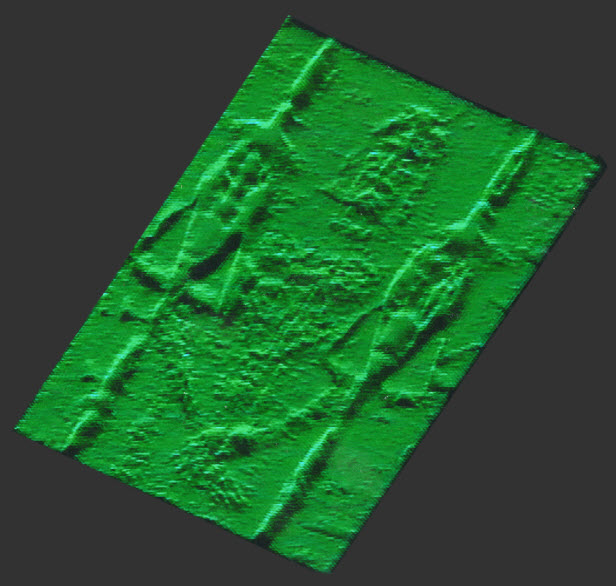
The body image is faint and superficial; modern photographs show it as a negative. Jackson, Jumper, and Ercoline measured a relationship between image intensity and distance from a modeled body surface. That is a measurement of image properties, not a date or a photograph of a corpse.
The Shroud is linen herringbone twill. The 2026 fragment study found that the weave and yarn characteristics differ from its archaeological controls. Textile structure informs craft history; it does not identify a burial or establish a Judean origin.
What this object establishes
The Shroud documents medieval relic devotion and display. Its first documentary appearance and radiocarbon date place it in the Middle Ages, centuries after the first-century period described in Christian narratives.
The cloth has no documented path before its appearance at Lirey. An image of a crucified-looking man is not a name, a chain of custody, or evidence that the Gospel Jesus existed.
Relics beyond the Shroud
The Shroud is one of several objects later identified with Jesus. The broader relic record offers a useful comparison: objects can document Christian communities and devotional practice without documenting the person to whom later tradition attaches them.
Other relics: provenance before identification
Relics identified with Jesus first enter written records centuries after the first-century period described in Christian narratives. Their labels and devotional traditions are not first-century provenance records.
The Alexamenos graffito depicts a crucified figure but does not name Jesus. The Megiddo mosaic is evidence of an early Christian community, not a personal object belonging to Jesus.
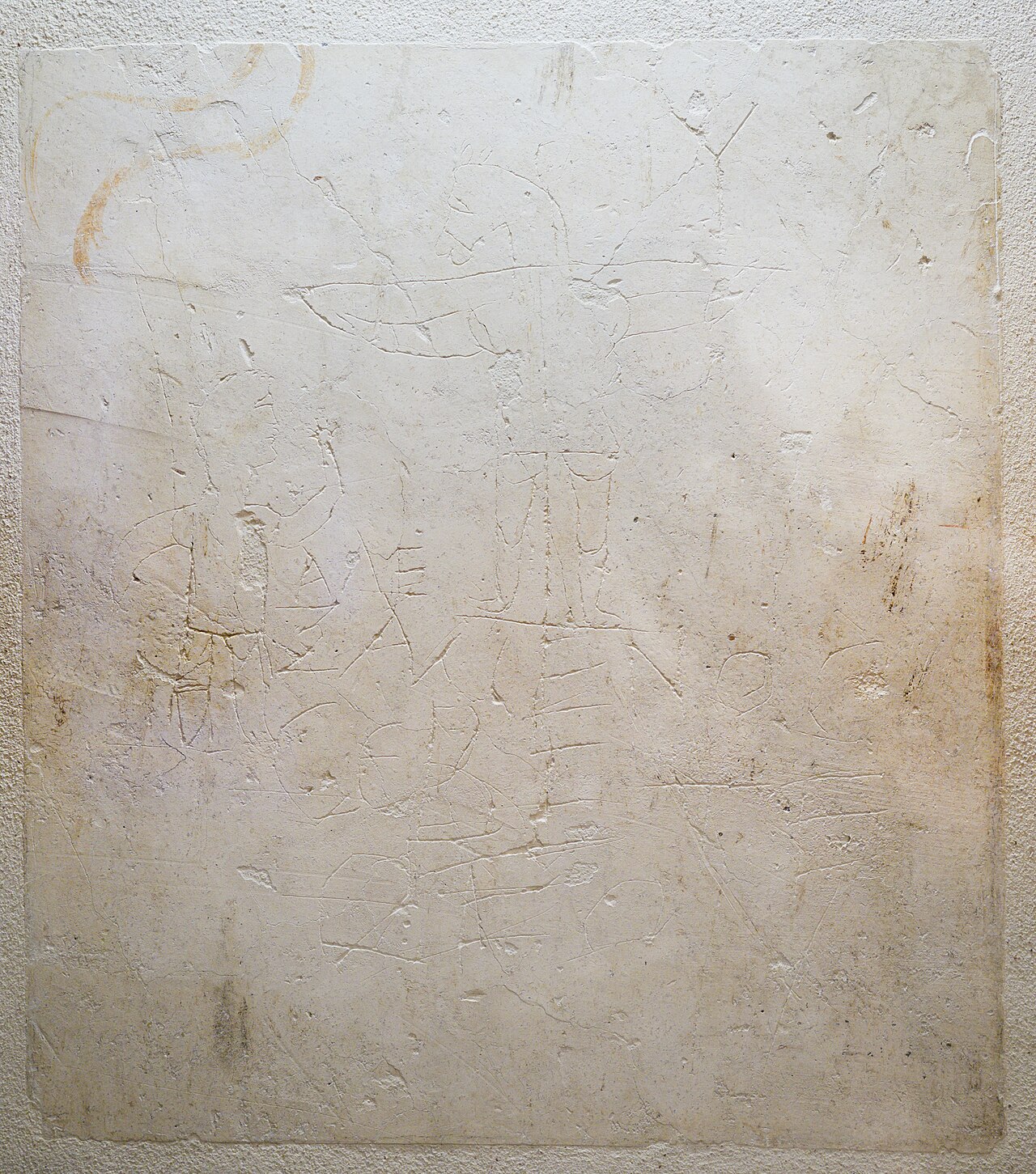
Other relics: what artifacts show
Archaeological objects document Christian communities, symbols, and worship. An artifact from a later community is not an eyewitness to an earlier biography.
Object and provenance audit
The Shroud and the history of relic claims
| Date or period | Source | What it says or does | What it cannot establish |
|---|
The case
The Shroud's medieval record, radiocarbon result, and image geometry each weigh against its identification as Jesus' burial cloth. Other relics document later devotion and Christian material culture; their labels do not establish a first-century chain of custody.
Conclusion
The Shroud and other relics document later Christian history. Their provenance and physical evidence do not connect them to a first-century Jesus.